

How to Create a Travel Itinerary for a Stress-Free Trip
You have booked your flights, saved places on Google Maps to visit, and made a long list of things to see. Then you realise there are only three days to fit everything in. This is where a travel itinerary becomes useful. It gives your holiday a practical structure, helping you decide where to go, how much time to spend and when to slow down.
Good trip planning is not about filling every hour in your trip. It is about making sensible choices, so you spend less time travelling between places and more time enjoying them. This is especially useful for Indian travellers planning international holidays, where flight timings, visa requirements, currency exchange and local transport all need attention.
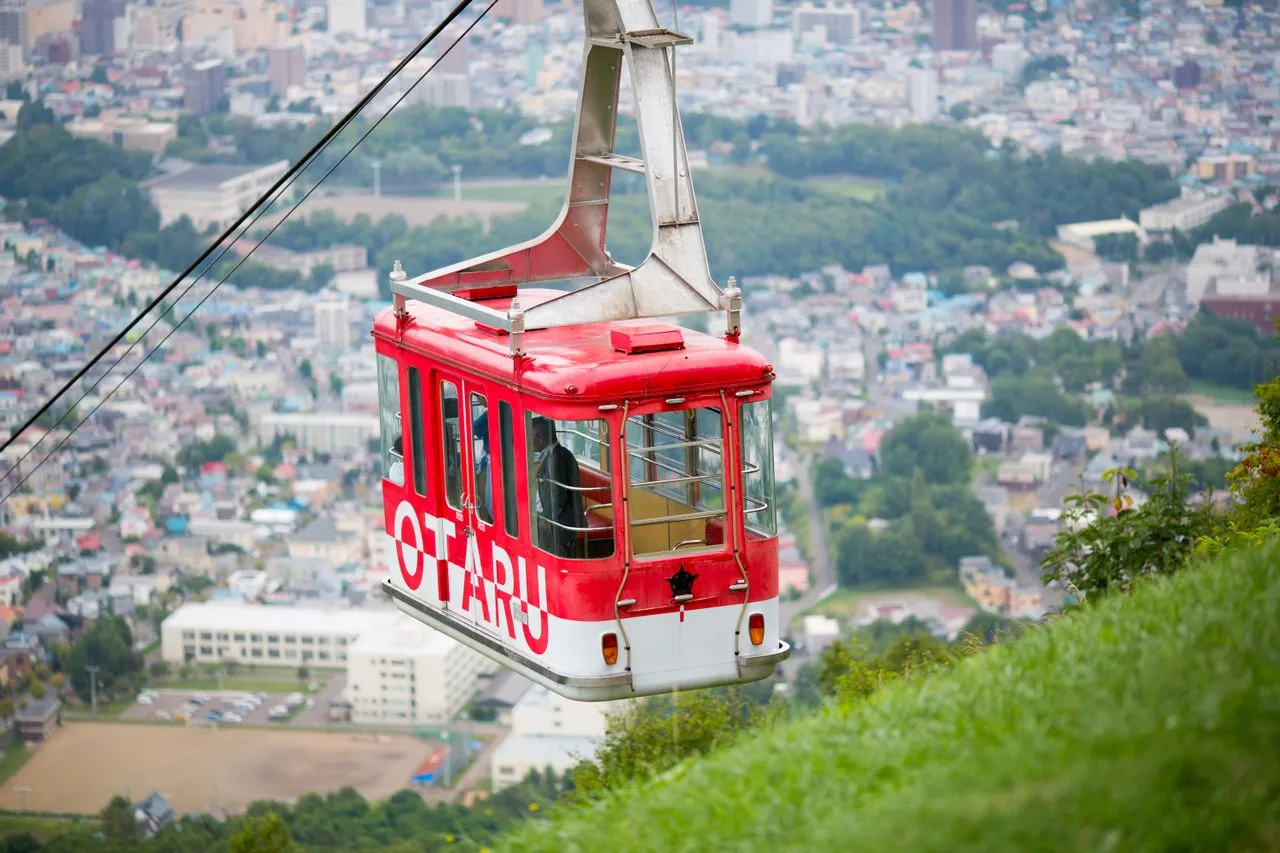
For example, travellers researching Japan Adventure Packages may want to combine city sightseeing, cultural attractions and outdoor activities without moving between destinations every day. Japan's official tourism organisation provides suggested routes by trip length and interest, which can be useful when starting route planning.
Start With the Basics of Your Trip
Before choosing attractions, decide the basic framework of your holiday. Write down your destination, travel dates, number of travellers, total days and approximate spending limit. Your reason for travelling also matters. A family holiday may need shorter sightseeing days and more breaks, while a honeymoon may benefit from slower mornings and relaxed evenings.
Think about what you want from the trip rather than trying to see everything. If food is your priority, leave time for local markets and restaurants. If history interests you, choose museums, monuments and heritage areas. This makes the sightseeing plan more meaningful.
Decide How Many Days You Actually Need
Trip duration should be based on the places you want to visit and the time required to travel between them. For a short holiday, staying in one city or nearby destinations is often better than changing hotels every night. A seven-day holiday could comfortably include two or three main bases, depending on the destination.
Remember that your arrival and departure days are rarely full sightseeing days. An evening arrival may leave you with only enough time for hotel check-in and dinner. Similarly, a morning flight home means the previous evening should be kept relatively relaxed. A simple rule is to count travel time as part of the holiday schedule. If changing cities takes five hours, that day should not also contain four major attractions.

Research the Destination Before Booking
Spend some time understanding the destination before making reservations. Check the main tourist areas, neighbourhoods, distances between attractions, local weather, public holidays and typical opening hours.
Official tourism websites are particularly useful because they can provide destination information, suggested routes, transport guidance and seasonal advice. Japan's National Tourism Organisation, for example, has planning information covering transport, weather, local customs and luggage services.
For Indian travellers, it is also worth checking whether Indian food, vegetarian restaurants or familiar meal options are easily available in the areas where you plan to stay. Researching the destination first can also prevent a common mistake: choosing a hotel in one part of the city and planning most activities somewhere completely different.
Build Your Route Before Your Daily Schedule
Route planning should come before deciding what to do at 10 AM or 2 PM. Look at your destinations on a map and arrange them logically. If you are visiting three cities, decide the most practical order instead of simply following the order in which you found them online.
For example, a route could follow this pattern:
India → City A → City B → City C → India
This can be easier than repeatedly travelling back to the first city. Check flights, trains, buses and other transport options before confirming the route. Compare both price and travel time. A cheaper connection may not be worthwhile if it adds many hours to your journey.

Plan Your Flights Carefully
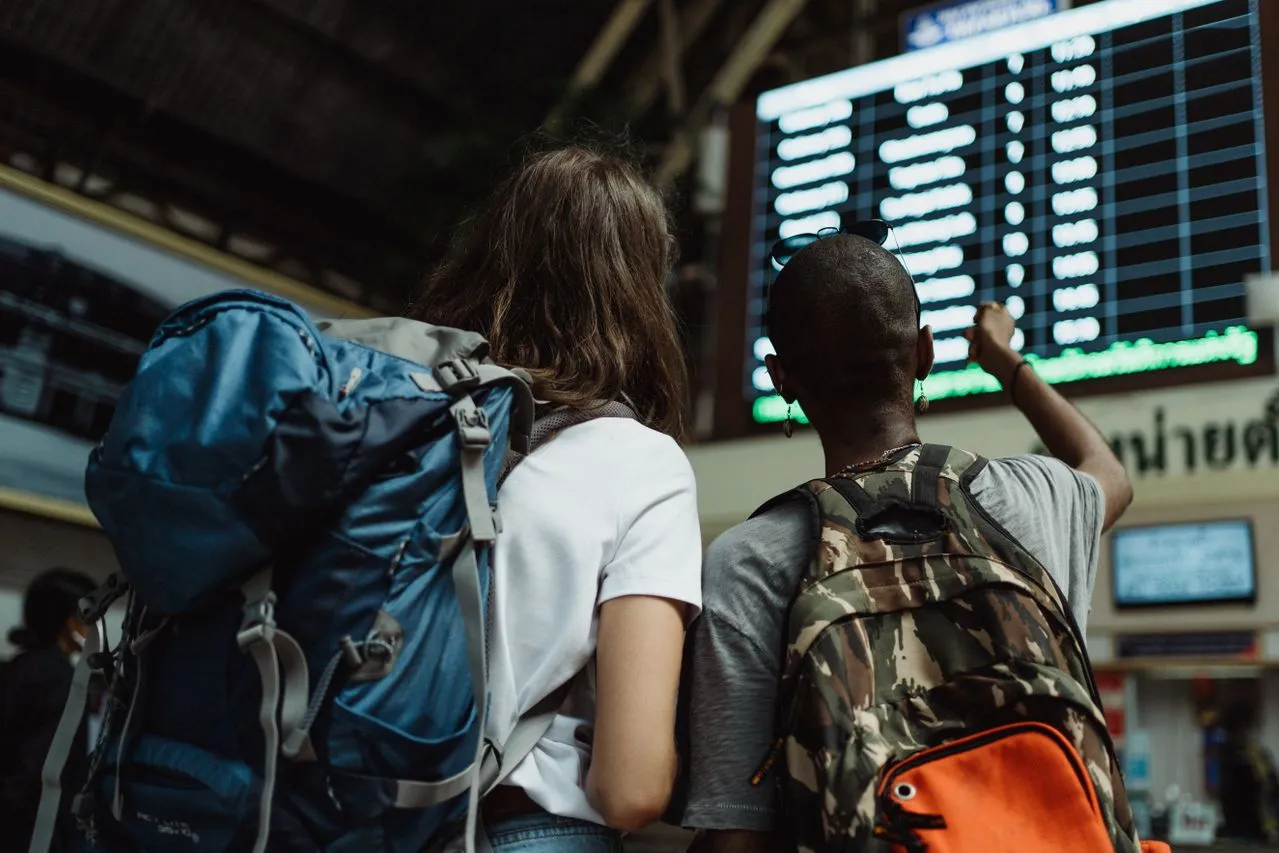
Flights often determine the shape of an international holiday. When comparing flights, look beyond the advertised fare. Check baggage allowance, layover duration, airport changes, arrival time and cancellation conditions.
For Indian travellers, an overnight flight can sometimes save a hotel night, but arriving very early in the morning can also make the first day tiring. Avoid scheduling an important prepaid activity immediately after a long international journey. Delays happen, and a little flexibility can protect your plans.
Choose Accommodation That Saves Time
Accommodation booking should support your route rather than simply fit your budget. A hotel located close to a metro station, railway station or major sightseeing area can save both money and time. Before booking, check the actual location on a map.
Look at the room size, breakfast options, luggage storage, check-in timings and recent guest reviews. Families may need larger rooms or connecting rooms, while couples may prefer a quieter location. If you are changing destinations during the trip, keep luggage in mind. Frequent hotel changes can be tiring, particularly when travelling with children or older family members.
Create a Realistic Daily Schedule
Now you can start building each day. A useful approach is to choose one main attraction for the morning and one or two nearby activities later in the day. Keep smaller attractions as optional additions.
For instance, if a museum takes two to three hours, do not immediately schedule another attraction 30 minutes later on the other side of town. Think in terms of areas rather than individual attractions. If three places are within walking distance of each other, combine them on one day. This reduces unnecessary travel and makes the schedule easier to follow.
A practical holiday does not need ten activities every day. Try choosing three important activities or experiences and leave the rest flexible.
Your day could look like this:
Morning: Major attraction and nearby sightseeing
Afternoon: Lunch followed by a second attraction
Evening: Local market, dinner or relaxed walk
This gives you enough structure while leaving room for queues, traffic, photographs and unexpected discoveries.
Add Rest Time to Your Plans
Rest is often forgotten during trip planning. After a long flight or a full day of sightseeing, people may need a slower evening. Families with children may need an afternoon break. Older travellers may prefer fewer walking-heavy activities.
Consider adding a relaxed half-day after two busy sightseeing days. It could include shopping, a café, a nearby park or simply time at the hotel. Remember, a holiday trip should not feel like a race from one attraction to another.
Plan Food Without Over-Scheduling It
Food is an important part of travel, but you do not need to reserve every meal. Research local dishes and popular food areas before your trip. Save a few restaurants on your map near your planned attractions. For Indian travellers, check vegetarian, vegan, Jain-friendly or familiar food options when required. If you are travelling with your children, you must keep simple snacks in your day bag.
Food costs can also affect your travel budget. Eating at local restaurants or food markets can sometimes cost less than dining in tourist-heavy areas, although prices vary considerably by destination.
Keep a Separate Travel Budget
A useful budget should include more than flights and hotels. Consider airfare, visa fees, accommodation, airport transfers, local transport, food, attraction tickets, shopping, travel insurance, internet connectivity and emergency spending.
For example, an Indian traveller planning an overseas holiday might set aside a daily allowance of around ₹2,000–₹5,000 for food, local transport and small expenses, excluding accommodation and major sightseeing. This is only a planning estimate; actual costs vary widely by destination and travel style. Keep an emergency buffer instead of spending your complete budget before departure.
Keep Your Travel Documents Organised
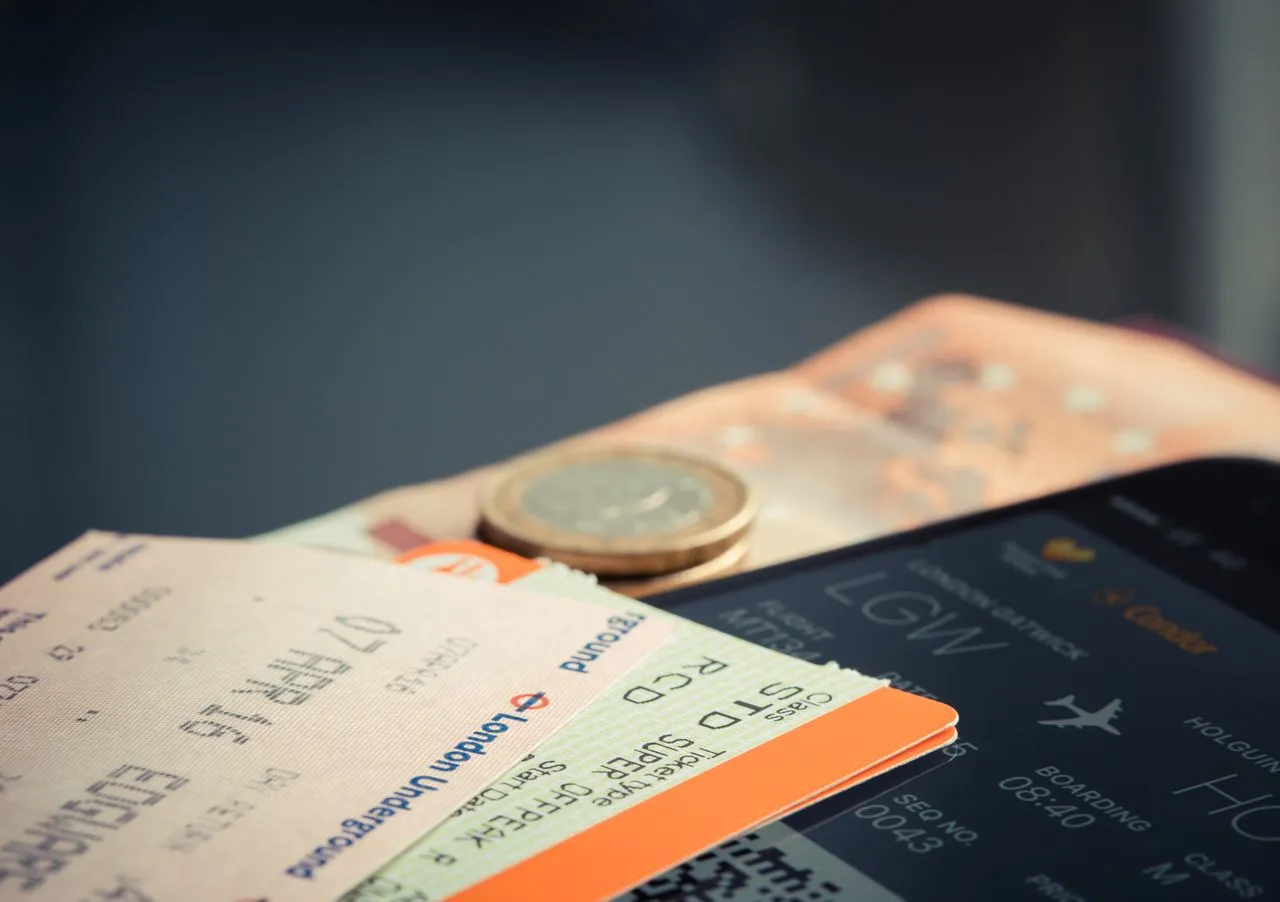
Your documents should be easy to access throughout the trip. Keep your passport, visa, flight tickets, hotel confirmations, insurance details and important booking references together. Save digital copies securely and keep offline copies where possible.
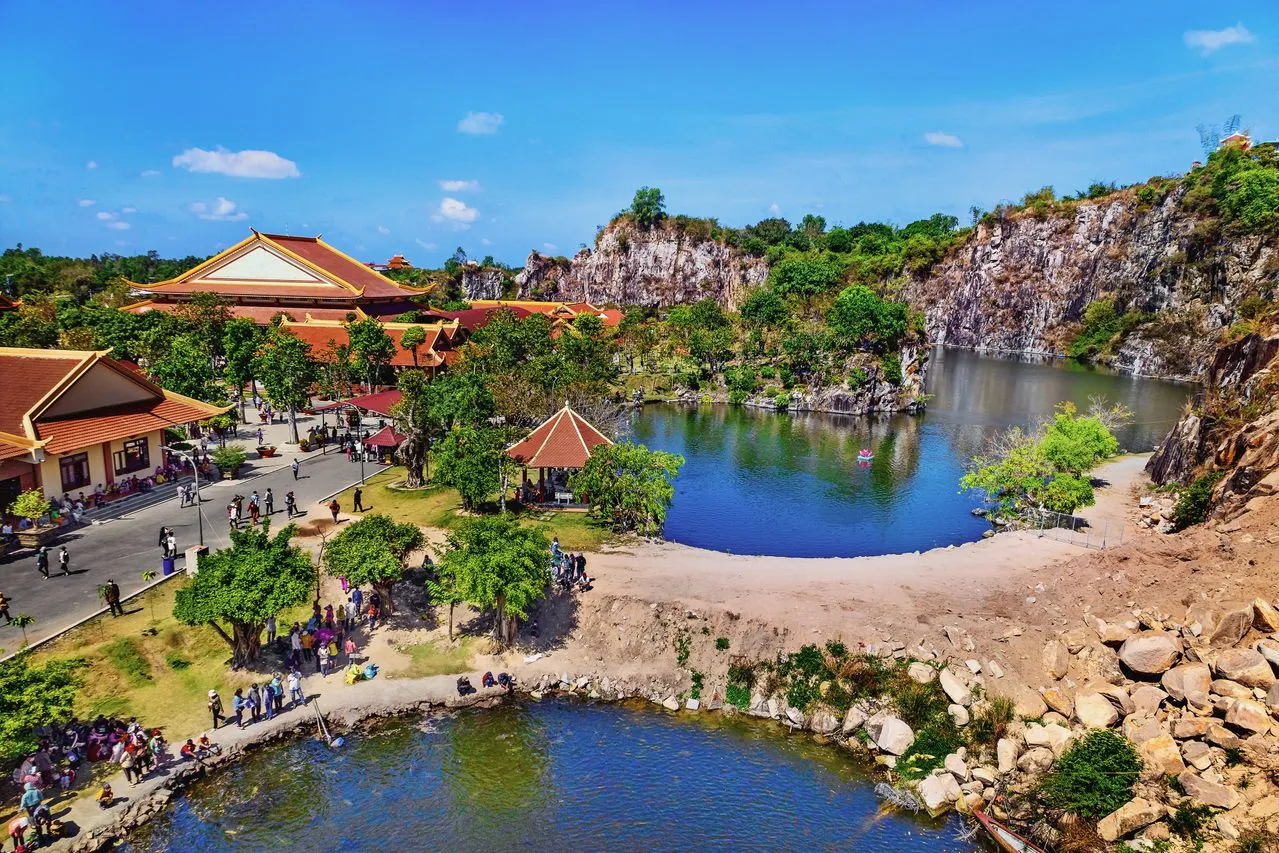
Before departure, check passport validity and the latest entry requirements for your destination. Do not rely on an old article or social media post for visa information because immigration rules can change. For destination-specific information, use official government or tourism sources. Vietnam's official tourism website, for example, provides sections covering visas, getting around, health and safety.
Prepare for Emergencies
Emergency planning does not need to be complicated. Save the local emergency number, your country's embassy or consulate details, travel insurance contact information and your accommodation address.
Keep a small amount of emergency cash separate from your main wallet. If travelling internationally, carry more than one payment method in case a card does not work. It is also useful to tell a trusted family member your basic route and hotel details.
Sample Three Day Trip Plan
Here is a simple example showing how to balance sightseeing, transport and rest
Day | Morning | Afternoon | Evening |
Day 1 | Arrival and hotel check-in | Nearby sightseeing | Local dinner and rest |
Day 2 | Main city attraction | Nearby museum or landmark | Market or relaxed walk |
Day 3 | Day trip or second area | Lunch and light sightseeing | Pack and prepare for departure |
The important part is not the number of attractions. Each day has enough space to handle delays, meals and breaks.
Common Planning Mistakes to Avoid
One of the biggest mistakes is trying to cover too many destinations in a short holiday. Constantly packing and changing hotels can take away from your sightseeing time. Another mistake is ignoring travel distances. Two attractions may look close on a map but could take much longer to reach because of traffic or public transport connections.
Booking non-refundable activities too close together can also create problems. If the first activity runs late, the second reservation may be missed. Some travellers also forget to check seasonal conditions. Weather can affect outdoor activities, transport and opening hours, so check conditions before finalising your schedule. Finally, do not build your budget around the cheapest possible scenario. A realistic estimate with some spare money is much easier to manage.

Final Checklist Before You Leave
Go through your plan a few days before departure. Confirm your flights, accommodation and important attraction bookings. Check passport and visa requirements again, organise your travel documents and make sure you have suitable payment options.
Review your transport between cities and confirm airport or station transfers. Check the weather and adjust your clothing and packing checklist accordingly. Most importantly, look at each day and ask yourself one simple question: Does this schedule leave enough time to actually enjoy the trip? If the answer is no, remove something.
Conclusion
A good holiday plan should give you direction without making the trip feel overly controlled. Start with the destination, number of days and budget, then build a sensible route around your priorities. Add accommodation, transport, food, sightseeing and rest time only after the basic route makes sense.
The same approach works for family holidays such as Vietnam Family Packages, city breaks, adventure trips and long international vacations. Take time to check official information, keep your schedule realistic and leave some room for unexpected changes.
Once your bookings, documents and daily schedule are organised, you can focus on enjoying the places you travelled so far to see. If you want help turning your plans into a practical holiday, Travelocat can help you get started.